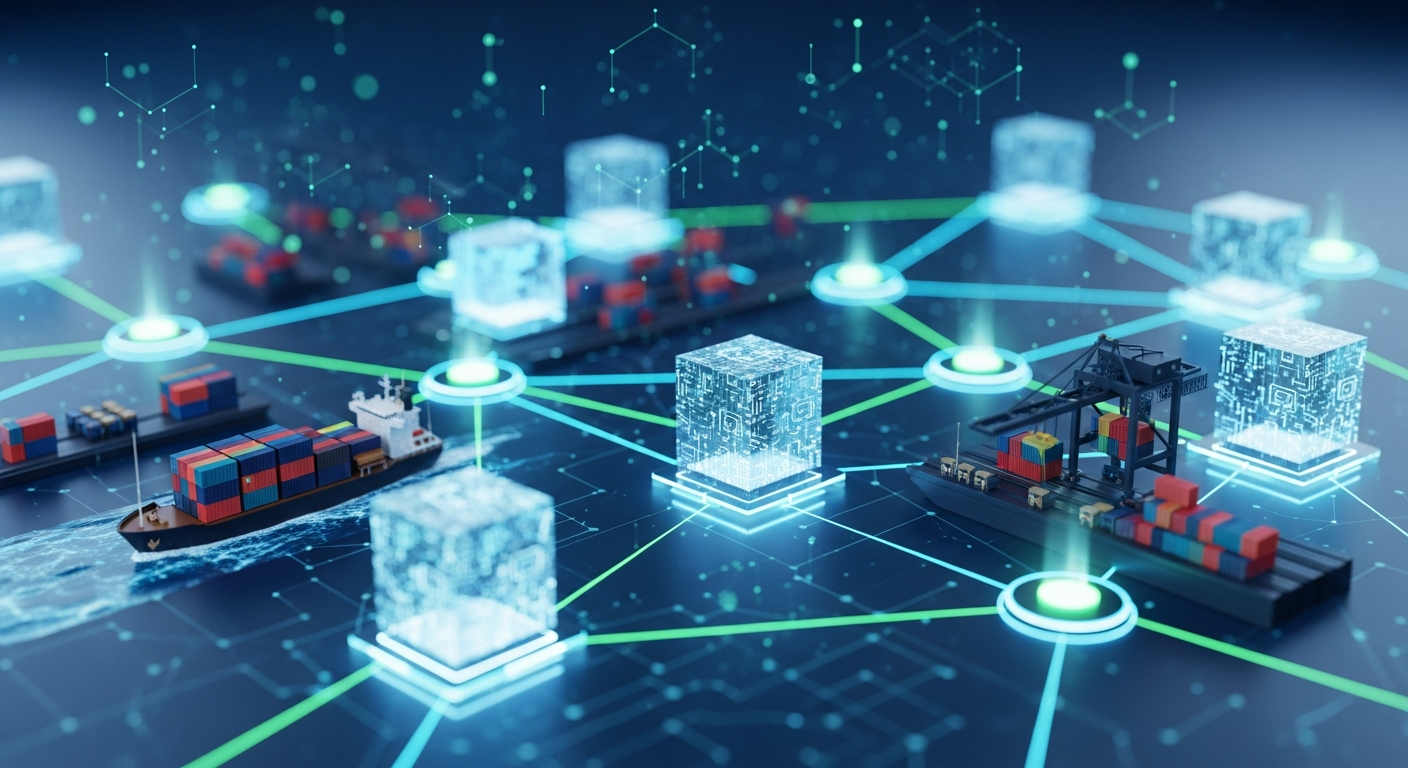
Transparency, traceability, and tamper-proof records — blockchain solves real supply chain problems. Here's a practical, engineering-level guide to implementing it in your enterprise.
Supply chains are, by nature, distributed systems involving multiple parties with conflicting incentives and limited visibility into each other's operations. Blockchain doesn't just add a buzzword to your pitch deck — it solves specific, concrete problems: counterfeit goods, invoice fraud, shipment disputes, and compliance auditing.
Where Blockchain Actually Helps in Supply Chain
- Product provenance tracking — from raw material to end consumer
- Automated payment triggers via smart contracts when shipment milestones are met
- Immutable audit trails for regulatory compliance (FDA, ISO, GDPR)
- Fraud prevention by eliminating document forgery in trade finance
- Multi-party dispute resolution with a shared source of truth
Choosing the Right Blockchain Platform
| Platform | Type | Best For | Throughput |
|---|---|---|---|
| Hyperledger Fabric | Private / Permissioned | Enterprise consortiums | 3,000+ TPS |
| Ethereum (L2) | Public | Tokenized supply chain, NFT provenance | Variable |
| Polygon | Public Sidechain | Cost-effective enterprise apps | 7,000+ TPS |
| VeChain | Purpose-Built | Product tracking, IoT + blockchain | 10,000 TPS |
Brilliant Minds has delivered enterprise blockchain systems for clients in logistics, food & beverage, and pharmaceutical industries. Our team handles the full stack — smart contracts, node infrastructure, and ERP integrations.
Rahul Sharma
Blockchain Architect, Brilliant Minds
Published 5 March 2026