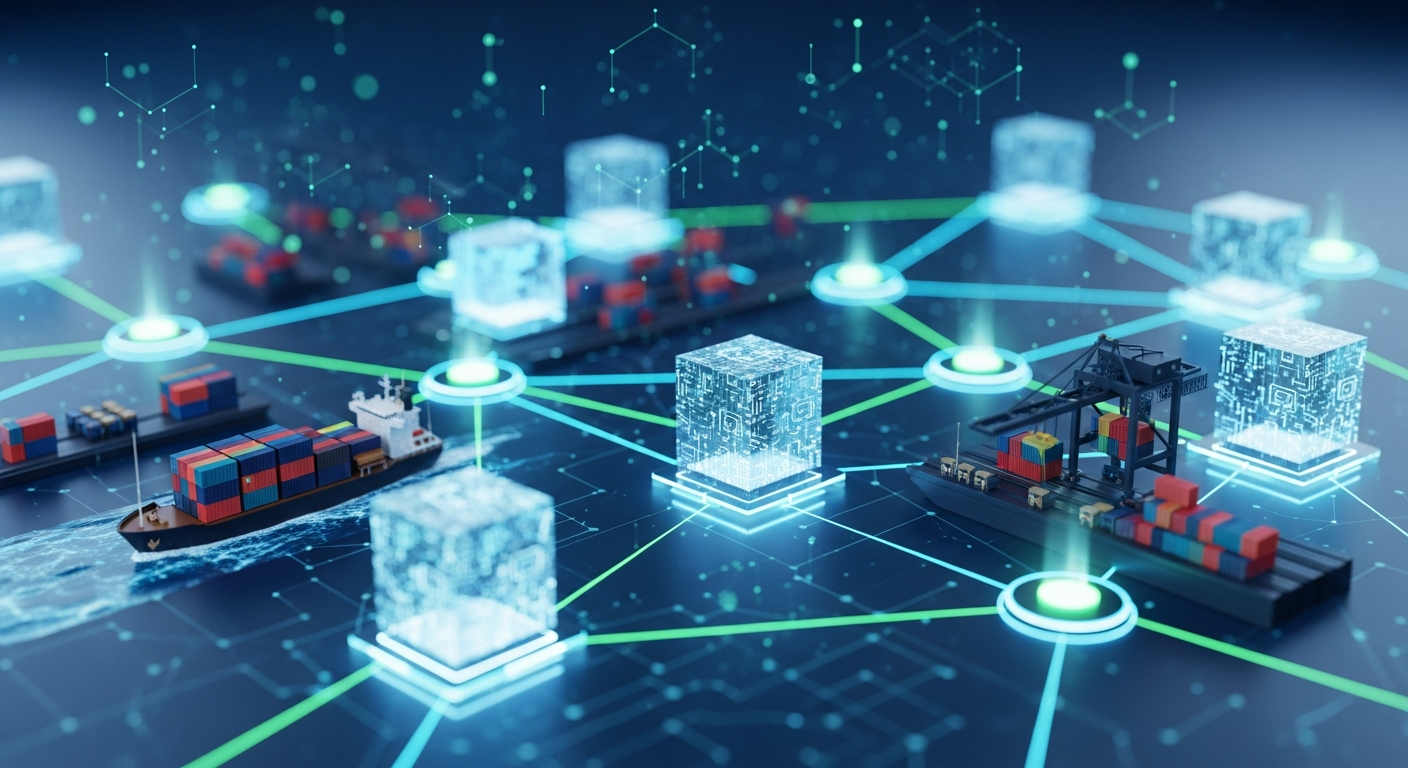
The NFT market has matured — utility-driven NFTs, gaming assets, and tokenized real-world items are the new frontier. Here's how to build a marketplace that goes beyond the hype.
The NFT narrative has evolved. Beyond speculative profile pictures, today's NFT platforms power gaming item economies, ticketing systems, real estate tokenization, and creator monetization tools.
Types of NFT Marketplaces
- Open Marketplaces (like OpenSea): Any creator can mint and list
- Curated Platforms: Handpicked artists, higher quality control
- Gaming Item Exchanges: Interoperable in-game assets across titles
- Real-World Asset (RWA) Platforms: Tokenized property, art, invoices
Smart Contract Architecture
A production-grade NFT marketplace needs at minimum three audited smart contracts: an ERC-721/1155 token contract, a marketplace/escrow contract handling listings and bids, and a royalty distribution contract.
Brilliant Minds has built and audited NFT platforms for gaming studios, fashion brands, and real estate tokenization companies. Our Web3 team handles full-stack delivery from smart contracts to frontend wallets.
Rahul Sharma
Blockchain Architect, Brilliant Minds
Published 21 January 2026